The Evolution of Medical Equipment in Modern Medicine
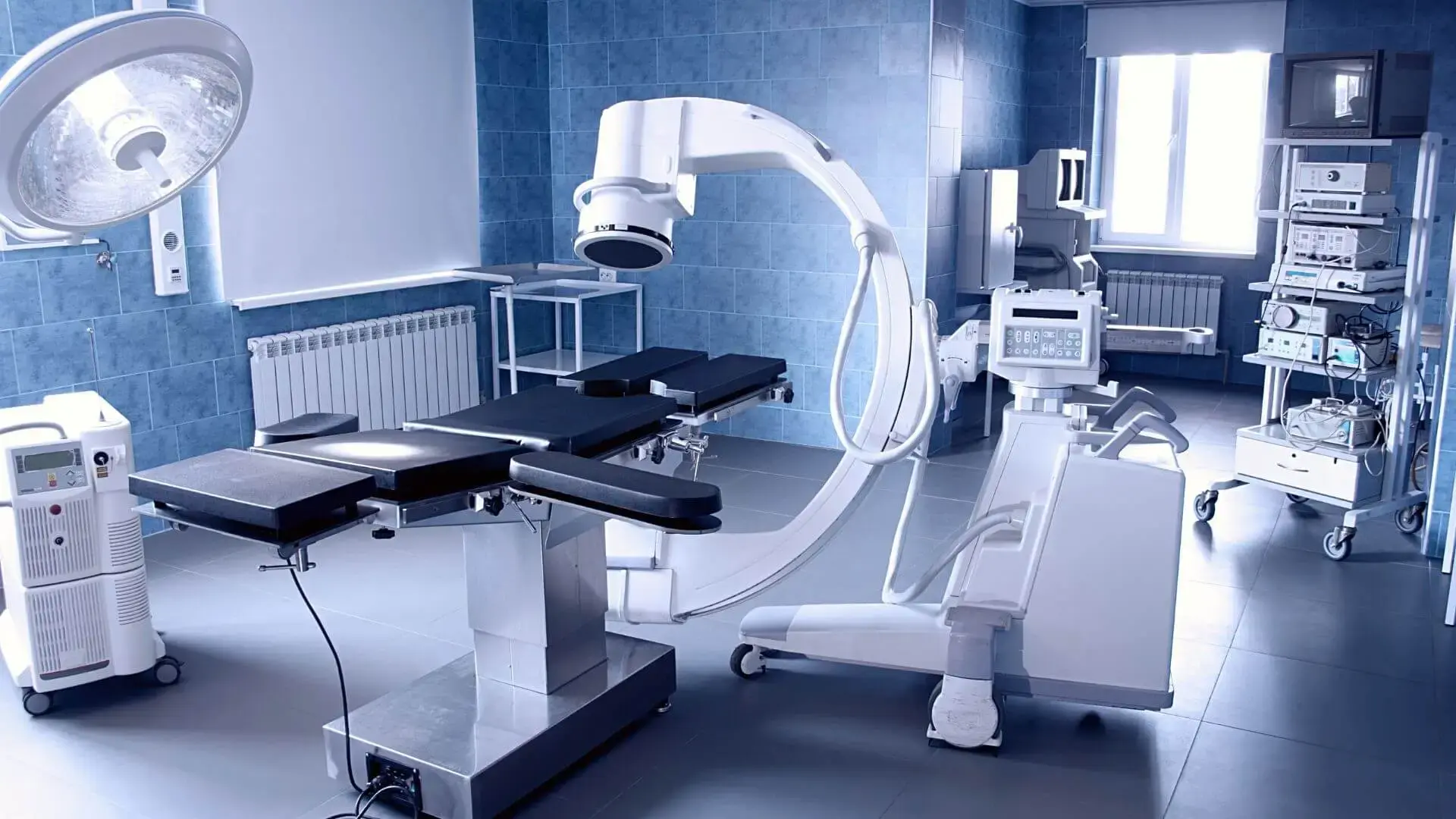
Medical equipment has evolved significantly over the years, transforming the way healthcare is delivered and experienced. From simple hand-held tools used in early medical practices to today’s advanced digital machines, medical equipment has become an essential driver of progress in modern medicine. This evolution has improved accuracy, safety, and efficiency across all areas of healthcare. For more info about it, you can check guangzhou x-ray machine factory.
In the past, medical professionals relied heavily on physical examination and limited tools to diagnose illnesses. Today, advanced medical equipment allows for detailed internal examinations without invasive procedures. Imaging devices such as magnetic resonance imaging (MRI), computed tomography (CT) scanners, and digital X-rays provide clear and detailed views of the human body. These technologies enable doctors to detect diseases at earlier stages, often before serious symptoms appear, greatly improving treatment success rates.
Medical equipment has also revolutionized treatment methods. Modern surgical equipment allows for precise and minimally invasive procedures, reducing patient trauma and recovery time. Technologies such as laser surgery, robotic-assisted systems, and advanced anesthesia machines have increased surgical accuracy while lowering the risk of complications. Patients now benefit from shorter hospital stays and faster returns to daily life.
Another important area influenced by medical equipment is patient monitoring and support. Continuous monitoring devices track vital signs such as heart rate, oxygen saturation, and blood pressure in real time. These systems alert healthcare providers to changes in a patient’s condition, allowing for immediate intervention when necessary. In critical care environments, such monitoring equipment is essential for patient survival.
Medical equipment has also expanded the possibilities of preventive and personalized care. Wearable devices and home-monitoring tools allow individuals to track their health regularly and share data with healthcare providers. This approach encourages early intervention and helps prevent serious medical conditions from developing. Personalized data enables healthcare professionals to tailor treatment plans based on individual patient needs.
The advancement of medical equipment has been supported by strict regulatory standards and quality control measures. Medical devices must undergo extensive testing to ensure safety, reliability, and effectiveness. Regular maintenance, calibration, and staff training are necessary to keep equipment functioning correctly and to minimize the risk of errors.
Looking toward the future, medical equipment continues to advance through artificial intelligence, automation, and digital connectivity. Smart medical devices can analyze large amounts of data and support clinical decision-making. These innovations promise to further enhance accuracy, efficiency, and patient-centered care.
In conclusion, the evolution of medical equipment has played a vital role in shaping modern medicine. By improving diagnosis, treatment, monitoring, and prevention, medical equipment continues to enhance healthcare quality and outcomes. As technology progresses, medical equipment will remain at the heart of medical innovation and patient care.